In June, Dr. Bernadett Pál, astronomer and planetary scientist at the Konkoly Observatory, presented at the Alumni Hungary Webinar Series. During the webinar, she explored the latest discoveries about Mars, the search for signs of life beyond Earth, and the challenges of future human exploration. In this interview, she shares why the Red Planet continues to captivate scientists and what upcoming missions may reveal about our planetary neighbour.
Could you tell us a little about your journey? What inspired you to become an astronomer?
I was always interested in natural sciences, partly thanks to my mother, who teaches physics and math in school. Although my focus shifted towards the arts in high school (where I considered a career in animation), I ultimately decided to pursue a degree in Physics at Eötvös Loránd University, where my love for the night sky drove me towards astronomy. My interest for biology never faded, which is why my main area of research is astrobiology and the potential for life on other planetary bodies.

Why is Mars one of the most studied planets recently, and what makes it so fascinating to scientists?
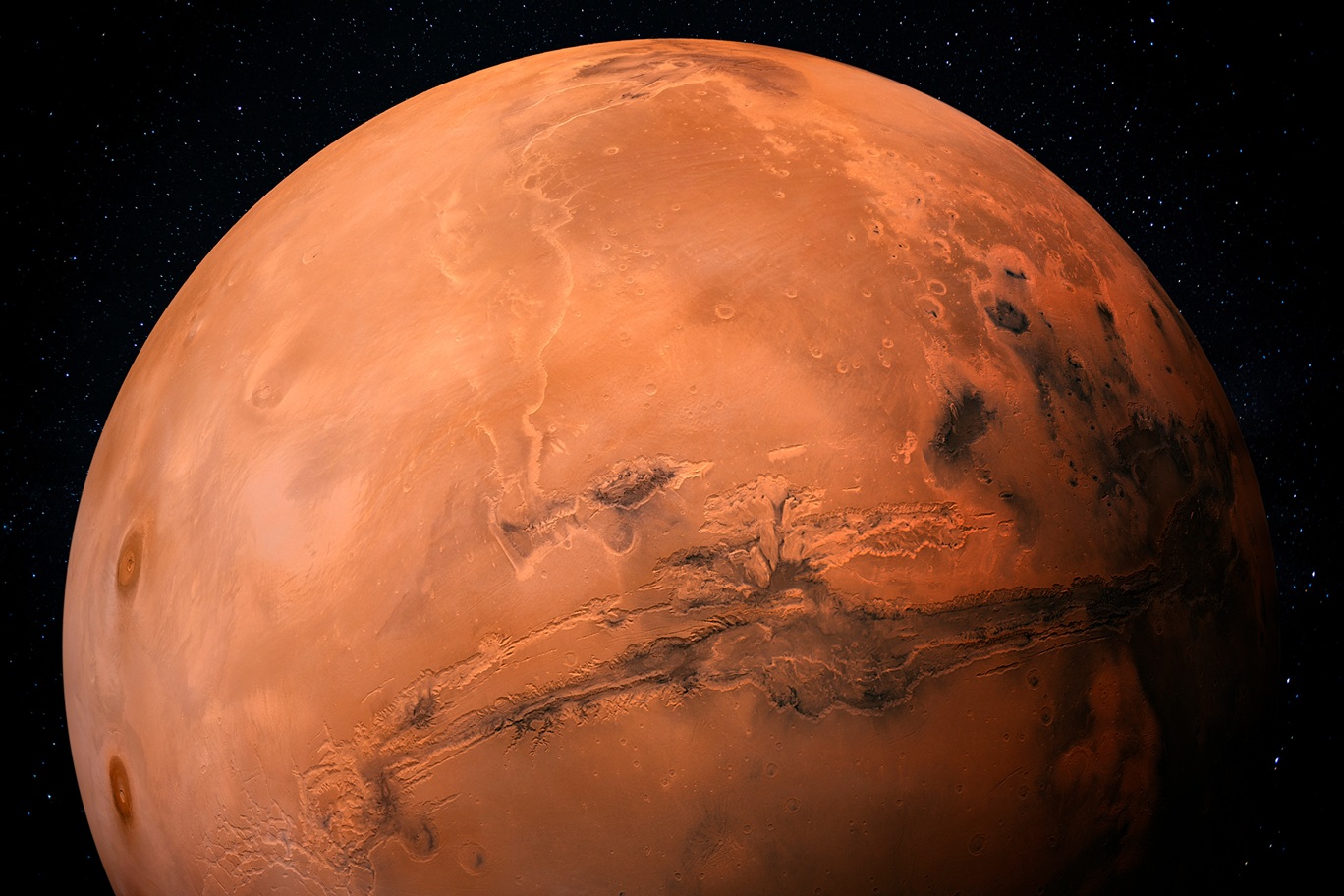
Mars has captured people’s imagination for centuries. After Giovanni Schiaparelli first reported seeing a vast network of channels on the surface in 1877, the idea of intelligent beings living on the planet kept growing. Eventually, with technological advancements, the first photographs and in-situ measurements, the image of an advanced civilization on our neighbouring planet disappeared. Thanks to the many orbiters, landers, and rovers, however, scientists accumulated a lot of evidence that Mars was more hospitable to life in the past, and the search for signs of ancient microbial life is still an active field today. Mars is also the closest planet we can study relatively easily, since the environment on our other neighbour, Venus, is a lot more difficult to conquer.
Your research focuses on water on Mars. Why is it such an important topic?
We know that liquid water was more abundant on Mars in the past from dried-out riverbeds and deltas, ancient lake shores, and various rocks formed in watery environments. Gaining more insight into the past evolution of Mars also provides valuable information on climate change; understanding why Mars, Earth, and Venus evolved so differently is an important question. Water is also necessary for life as we know it, so it is a good starting point in the search for possible signs of life outside our planet. Besides the search for life, water is a key resource that future missions will need if we ever send humans to Mars.
Many people wonder whether humans could one day live on Mars. How realistic is this idea, and what would be the biggest challenges?
It is a highly complicated undertaking. The search for potential biosignatures from past Martian life is still ongoing, and with each new mission, we risk forward contamination: accidentally bringing microbes or other organic contaminants from Earth. Keeping the planet pristine will be much more difficult after astronauts arrive, a factor that could influence the timing of the first crewed mission. Furthermore, when humans are included in a space mission, safety becomes the number one aspect we need to consider. There are a number of different challenges that must be solved first, including logistical questions (such as sending supplies ahead and accumulating resources before astronauts arrive), physiological issues (like the long-term effects of altered gravity and radiation), and psychological factors (including isolation during the long travel, and the lack of instantaneous messaging between Earth and Mars). Securing fundamental resources, such as food, shelter, water, fuel to return, and so on, is also a crucial problem.
Working towards the goal of sending humans to Mars in the future is an important one, and the technological advancements developed along the way will yield many benefits on Earth. For example, growing crops in infertile soil, advanced water recycling, enhanced radiation protection, and more efficient, reusable rockets. Considering, however, how incredibly complicated it is to send humans to Mars safely, I don’t believe this will happen in the near future.
What are the most exciting discoveries or missions related to Mars that we should watch in the coming years?
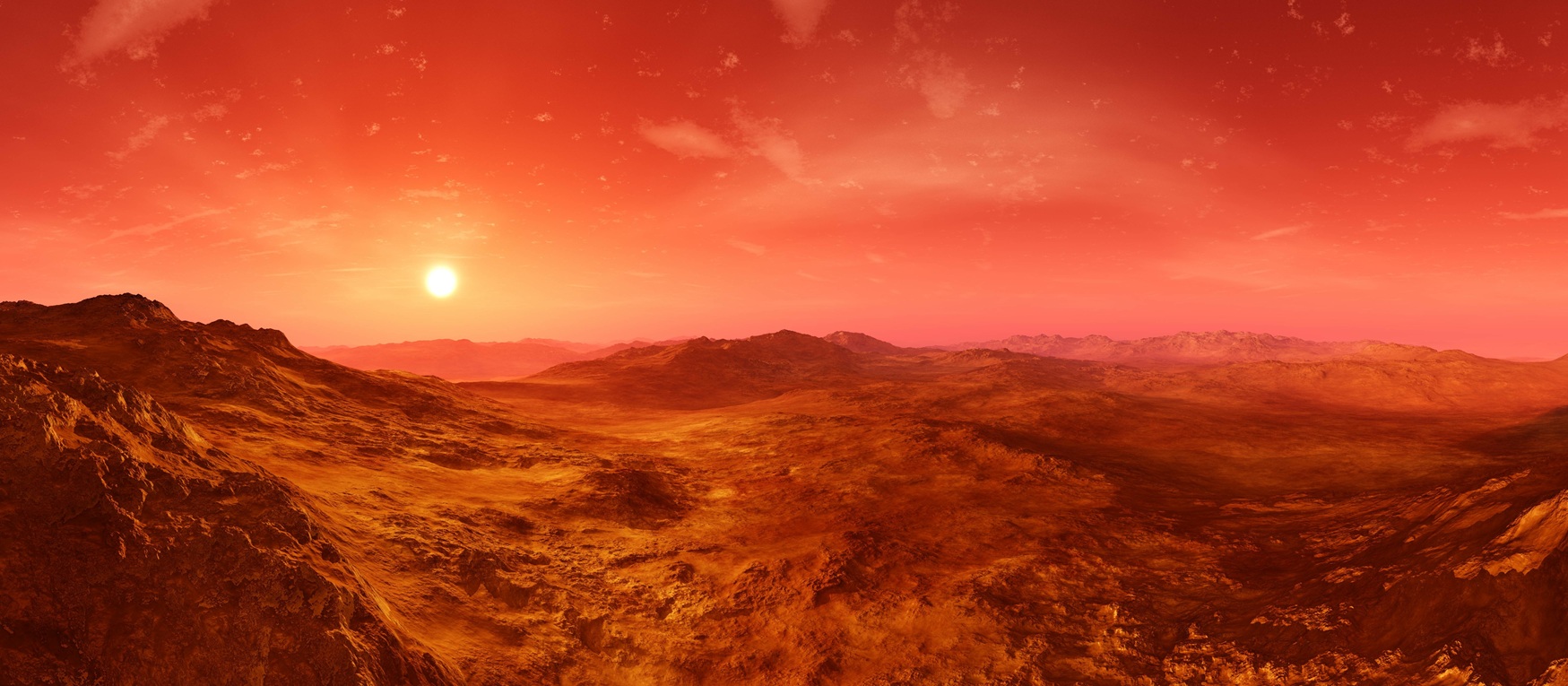
The ExoMars Rosalind Franklin rover is set to launch in 2028 through a joint ESA - NASA collaboration. It will be the first mission to search for signs of past or present life beneath the surface of Mars. The rover is designed to drill down to two meters and drive 70 meters per sol after landing at Oxia Planum; a 200-kilometer-wide plain containing iron-magnesium-rich clays that indicate the historical presence of water in the region. Another exciting mission will be Tianwen-3, China’s Mars Sample return mission, which aims to collect at least 500 grams of material and return them to Earth by 2031. Both of these missions could provide a lot of new insights into potential signs of life on Mars.
Become a member of the Alumni Network Hungary to access Dr. Bernadett Pál’s inspiring session on Mars exploration and the search for life beyond Earth—along with previous and upcoming webinars led by leading experts from Hungary. Join our global community, stay connected and keep updated of the news of the Alumni Network Hungary!
Photo credit of the photo on the feature image: Miklós Lőrincz