Food scientist, researcher, educator, and Stipendium Hungaricum alumnus, Dr. Ayaz Mukarram Shaikh recently joined the Alumni Hungary Webinar Series to discuss the growing role of artificial intelligence in food and agriculture. During the session, he explored how AI is transforming food systems, from precision farming and food safety to innovation and sustainability. Drawing on his academic and professional journey in Hungary and beyond, he also shared valuable insights on career development, international research opportunities, and the skills students need to thrive in an increasingly AI-driven world.
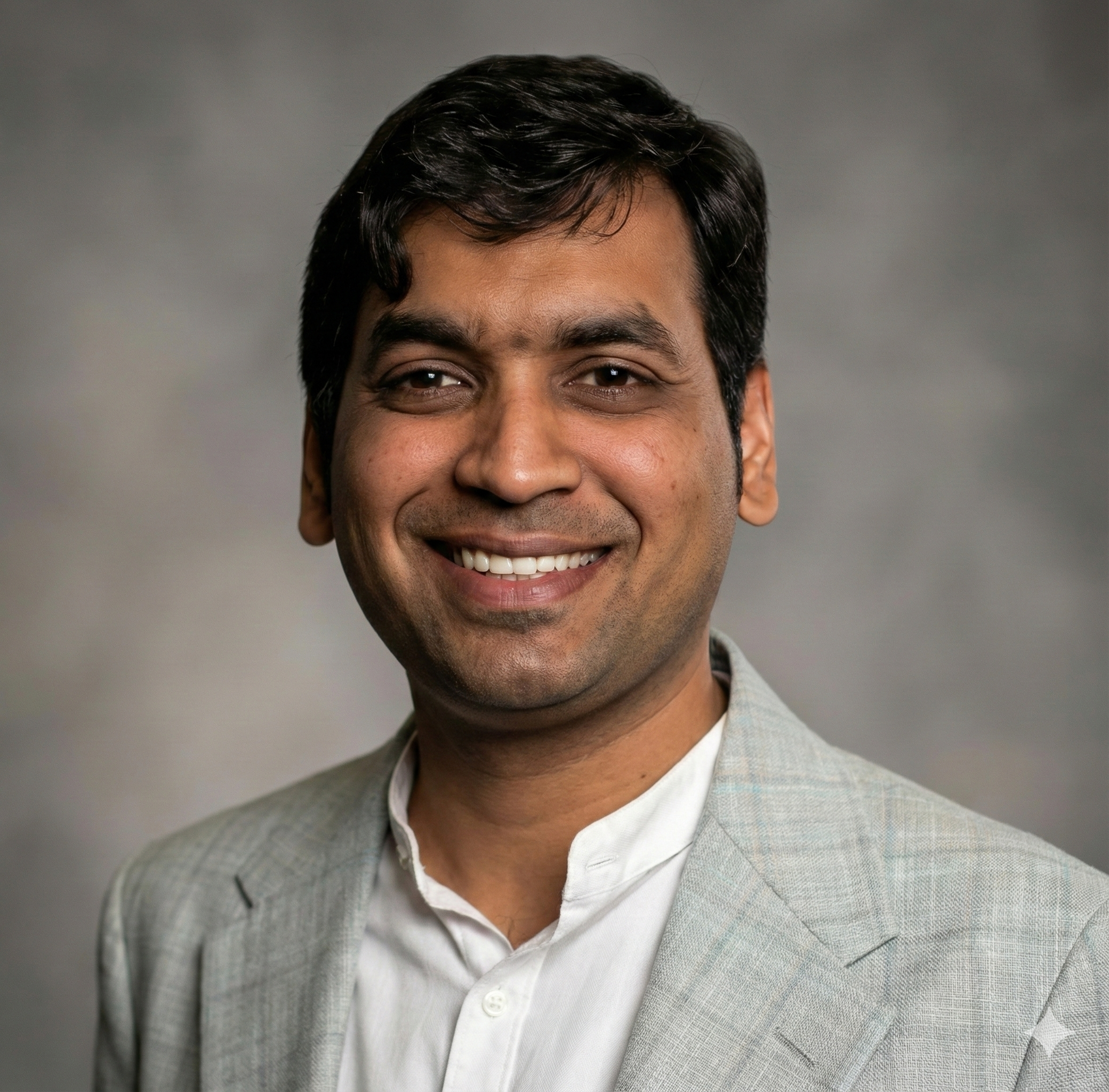
Interview by Ayşegül Ersin, ANH-Volunteer
You came to Hungary nearly a decade ago through the Stipendium Hungaricum Scholarship. What motivated you to choose Hungary, and how did that decision shape your career?
Before coming to Hungary, I was working in the food industry in India after completing my degree in Food Technology. In 2016, I received the Stipendium Hungaricum Scholarship and decided to pursue my Master's degree in Food Safety and Quality Engineering at the University of Debrecen. At that time, I also had opportunities to study in countries such as the United States, Canada, and Australia. However, I was attracted by Hungary’s strong academic traditions, affordable living environment, and growing international research community. Looking back, it was one of the most important decisions of my life. Hungary provided access to excellent education, international collaborations, and opportunities that ultimately shaped my academic and professional career.
What were some of the key experiences that helped you build your academic career in Hungary?
The support I received from professors, colleagues, and the wider academic community played a crucial role. During my Master's studies, I actively participated in research projects, scientific conferences, and international competitions. After graduation, I became involved in collaborative research initiatives between Hungarian and international institutions and later received a second Stipendium Hungaricum Scholarship to pursue my PhD. Over the years, I also received additional scholarships and participated in programmes supported by EIT Food, EIT Health, Erasmus+, and several international organizations.
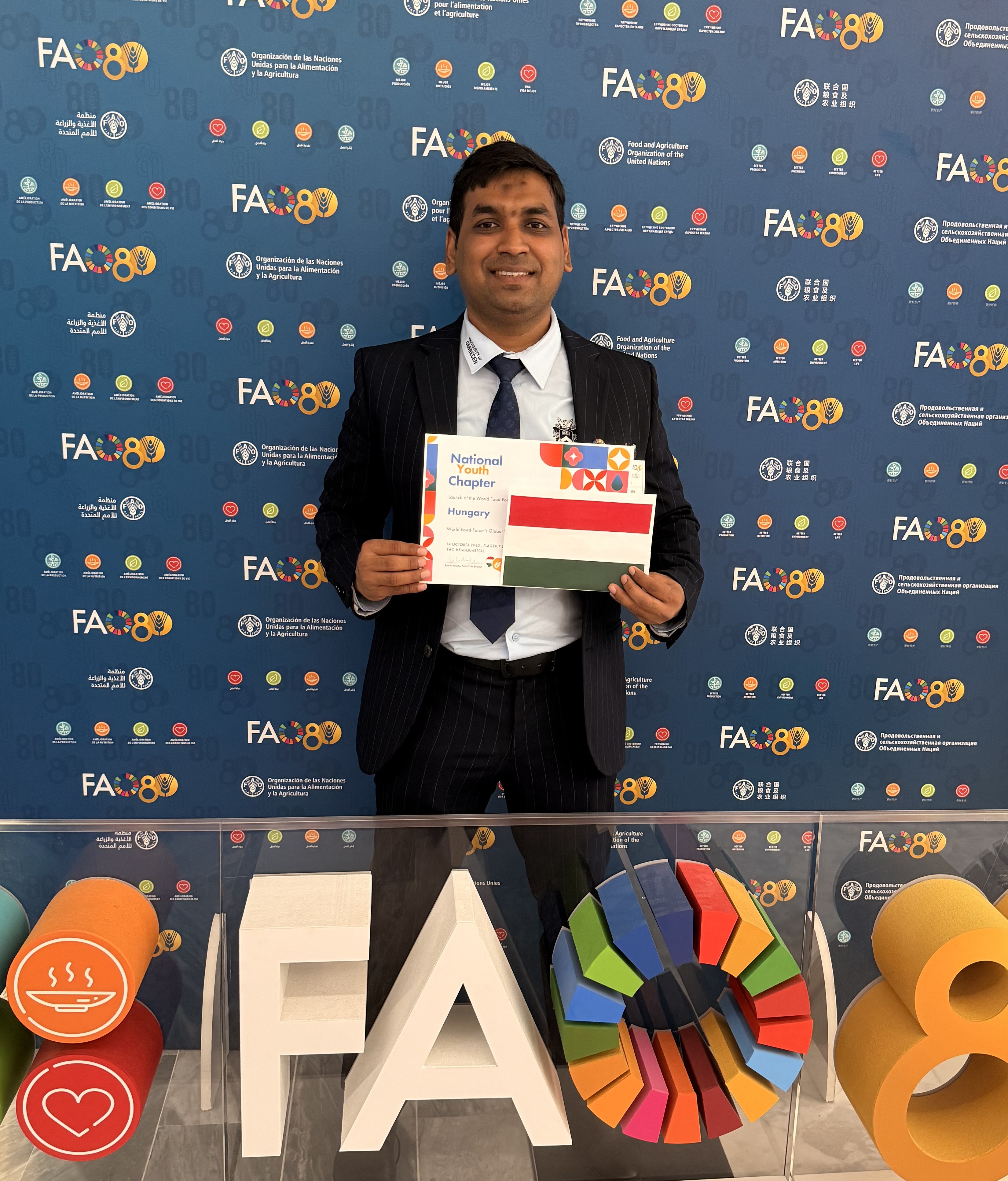
One particularly transformative experience was being selected as a Young Scientist of the World Food Forum (WFF), an initiative of the Food and Agriculture Organization of the United Nations (FAO). Through this platform, I have had the opportunity to contribute to international discussions on sustainable food systems, youth engagement, and innovation in agriculture.
Today you work internationally in research and higher education. How do you look back on this journey?
I feel grateful and humbled by the opportunities I have received. What started as a scholarship opportunity eventually led me to collaborate with researchers, universities, industries, and international organizations around the world. I am currently a researcher at the University of Debrecen, a DOSZ Ambassador for India, and an active contributor to several international scientific networks. I also participate in COST* Actions and collaborative European research initiatives on food innovation, digitalization, and sustainable agrifood systems.
Alongside my research, I serve as Adjunct Faculty at Vishwakarma University and Graphic Era University in India; I collaborate internationally as a Visiting Researcher, including with the University of Melbourne; and I regularly give invited lectures, keynote talks, and workshops for students, researchers, and professionals. None of this happened overnight — it reflects continuous learning, persistence, networking, and seizing opportunities.
Your recent webinar at Alumni Network Hungary focused on artificial intelligence in food and agriculture. Why do you believe AI is becoming so important in these sectors?
Food and agriculture generate enormous amounts of data every day. From soil conditions and weather forecasts to food processing, food safety monitoring, logistics, and consumer behaviour, data is produced at every stage of the food chain. Artificial intelligence enables us to analyse these complex datasets efficiently and transform them into actionable insights. Whether it is predicting crop diseases, reducing food waste, improving food quality, optimizing supply chains, or accelerating scientific research, AI has become an essential tool for addressing global food system challenges.
Could you share some practical examples of how AI is already transforming agriculture?
One of the most exciting developments is precision agriculture. Farmers can now use drones, satellite imagery, remote sensing technologies, and IoT-based sensors* to collect real-time information about crops and soil conditions. AI systems can analyse these data and identify potential problems before they become visible to the human eye. For example, AI can detect early signs of plant diseases, identify nutrient deficiencies, optimize irrigation strategies, and improve fertilizer management. These technologies not only increase productivity but also contribute to more sustainable and resource-efficient farming practices.
What about the food industry? How can AI contribute to food quality and safety?
AI has significant potential in quality control, food safety management, and product innovation.
Advanced imaging systems combined with machine learning algorithms can detect contamination, defects, and internal damage in food products more accurately than conventional methods. AI can also support predictive microbiology, shelf-life estimation, smart packaging technologies, and risk assessment systems. Furthermore, AI is increasingly being used to develop novel food products, optimize processing parameters, and enhance traceability throughout the food supply chain.
You are also actively involved in scientific publishing. How is AI influencing research and academia?
AI is transforming how researchers search for information, analyse scientific literature, process data, and prepare manuscripts. It can significantly improve productivity when used responsibly.
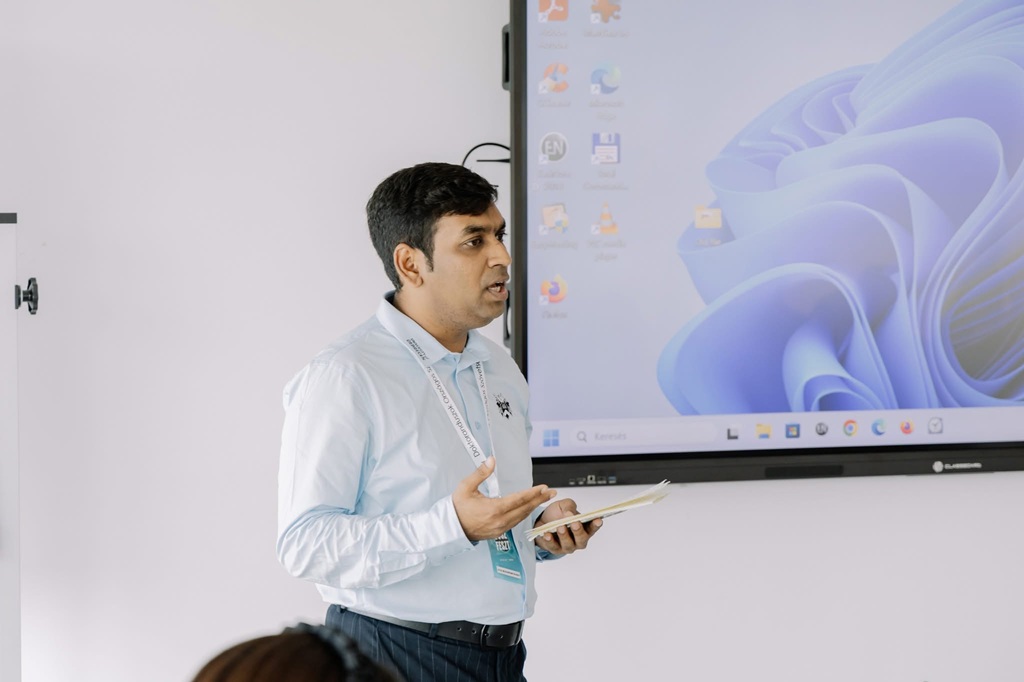
As an editor, reviewer, and researcher working with international publishers including Wiley, Springer Nature, De Gruyter, MDPI, and Elsevier journals, I see tremendous opportunities for AI-assisted research. However, it is important to emphasize that AI should support human expertise rather than replace critical thinking, scientific integrity, and creativity. Researchers must continue to verify information, interpret findings carefully, and maintain ethical standards when using AI-powered tools.
I understand you are also working on a book related to AI and food systems?
Yes. I am currently involved in the development of an upcoming book focusing on the applications of Artificial Intelligence in Food Operations and Agrifood Systems. The objective is to provide practical insights for students, researchers, and industry professionals who want to understand how AI can improve efficiency, sustainability, decision-making, and innovation across the food value chain.
What would you advise students who want to use AI efficiently, regardless of their field of study?
I would encourage students to view AI as a powerful tool rather than a shortcut. Regardless of whether they study food science, engineering, business, social sciences, or healthcare, understanding the fundamentals of AI will become increasingly valuable. Students do not need to become computer scientists. What matters most is learning how to ask meaningful questions, evaluate information critically, identify limitations, and apply AI responsibly and ethically. Those who combine strong domain expertise with digital skills will be particularly well positioned for future careers.
Finally, what advice would you give to current Stipendium Hungaricum students and young researchers?
My advice is simple: be proactive. Do not limit yourself to attending classes. Participate in conferences, workshops, hackathons, networking events, student organizations, and international projects. Build meaningful relationships with people from different cultures and disciplines. Many of the opportunities that shaped my own journey came from stepping outside my comfort zone and engaging with communities beyond the classroom.
Hungary offers an excellent environment for education, research, and personal development. Students who actively seek opportunities, remain curious, and continue learning will discover that the possibilities are truly limitless.
*COST: European Cooperation in Science and Technology
IoT: Internet of Things; a network of physical devices that collect data and communicate it over the internet or other networks.
Please, click here to watch the webinar of Mr. Shaikh.
Photos provided from the personal archive of Dr. Ayaz Mukarram Shaikh