In October Zsuzsanna Varga, the Scientific Director at the Museum of Hungarian Agriculture held a webinar exploring Hungary’s rich wine culture and tradition. We spoke with her about what makes Hungarian wine unique, her personal journey into viticulture, and the role of museums in preserving Hungary’s agricultural heritage.

What first sparked your interest in agriculture, and more specifically, viticulture?
VZS: I have always been passionate about biology; I wanted to learn everything about the "workings of life," which is why I attended a specialized program back in high school. Instead of a career in human or veterinary medicine, I wanted a more peaceful yet practical profession, so I chose the university of horticulture.
During my studies different fields kept sparking my interest: at times I wanted to be a botanist, at others a geneticist, or a vegetable and mushroom grower. In the end, a grape variety showcase decided my fate. At this lively event, I discovered the magical world of grape varieties and met Károly Bakonyi, one of the most successful Hungarian grape breeders of the 20th century. So, you could say he is to blame for everything!
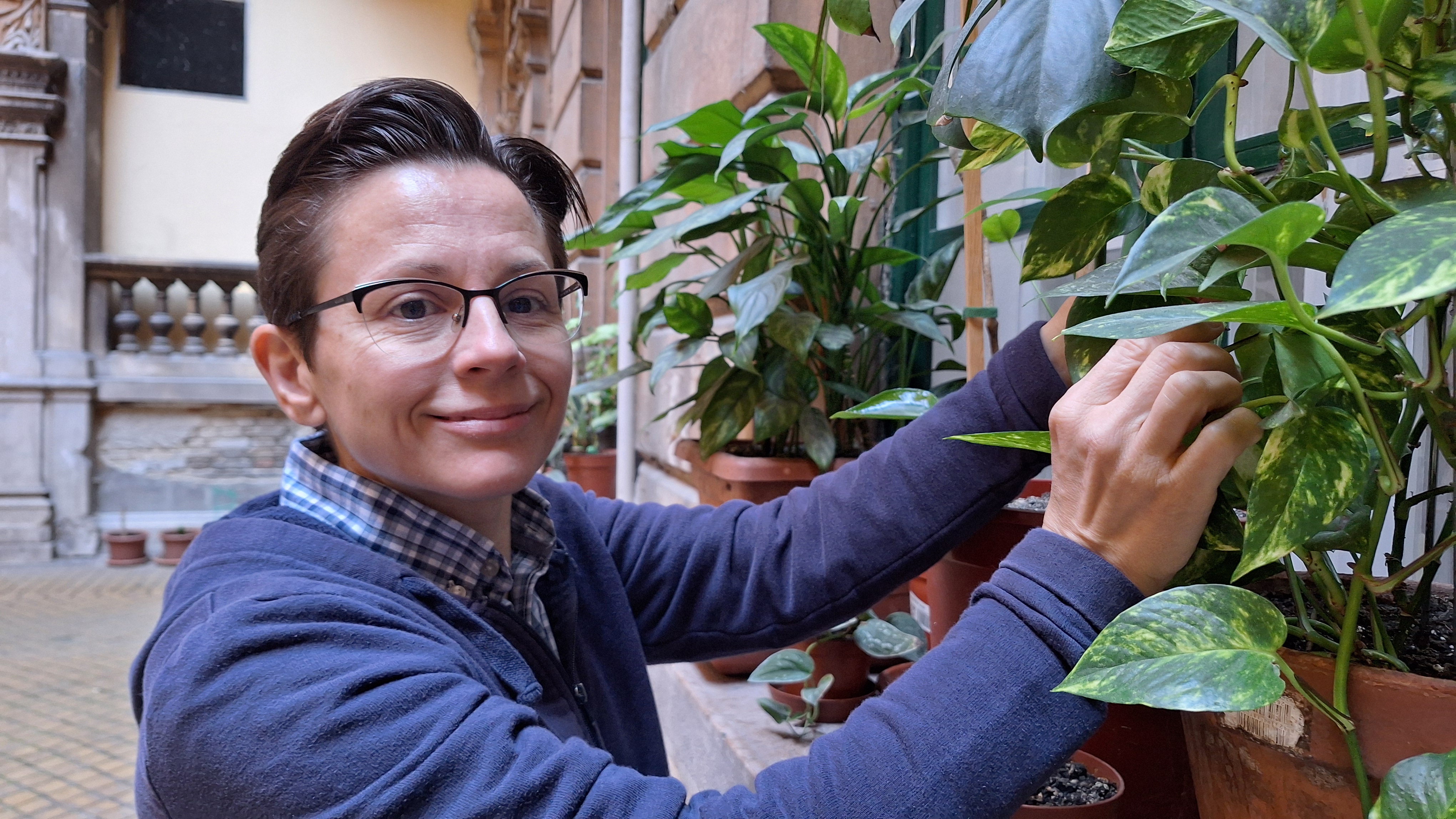
You recently became Scientific Director at the Museum of Hungarian Agriculture. What role do museums play in preserving and sharing Hungary's agricultural and winemaking heritage?
VZS: Changing climate, new plant protectional problems, ecological aspects, and the declining trend in wine consumption all raise difficult challenges for the grape and wine sector. However, crisis and turning points requiring complete reconstruction have always been part of the lives of vine-growers and winemakers — just think of the Ottoman occupation or the phylloxera epidemic.
The key to overcoming these challenges is knowledge, particularly an understanding of the past. The museum is exactly the guardian of this accumulated knowledge in the form of artifacts, photographs, and documents. The answers lie right before us; we just need to know where to look.
What makes Hungarian wine particularly distinctive?
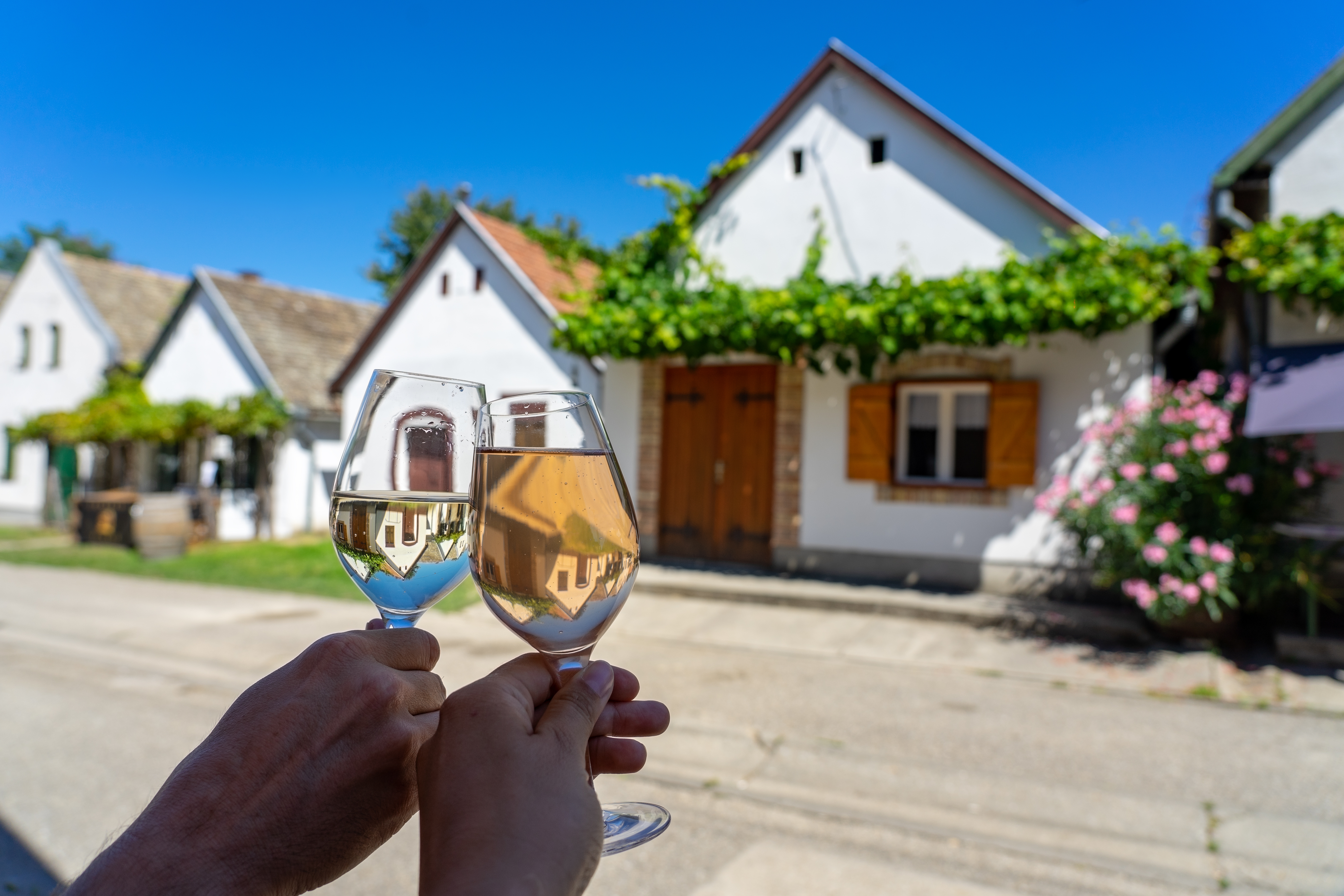
VZS: I couldn't single out just one distinguishing feature. In fact, I believe the true value of Hungarian wine lies precisely in its diversity. Hungary's varied landscape creates unique natural conditions, complemented by diverse soils and deep-rooted cultivation traditions. At the same time, openness to innovation can be found across the country's wine regions.
It is this combination of a rich past and a challenging present that creates such a remarkable diversity of wines, ensuring that everyone can find a Hungarian wine to their taste.
Climate change is becoming an increasingly important issue for agriculture. How can Hungarian winemakers adapt, and could it also create new opportunities?
VZS: Fortunately, climate change does not pose a fatal threat to Hungarian viticulture, but it is reshaping the sector. Growing conditions are becoming more favourable for red grape varieties and late-ripening white varieties. Greater attention must also be paid to rootstock selection, while irrigation systems may become necessary in many areas.
Currently, plant diseases caused by phytoplasma, a type of bacteria that can seriously damage grapevines, represent a greater threat. Nevertheless, I trust in the resilience of the vines and the determination of Hungarian winegrowers.
Which Hungarian wine region would you recommend international students and alumni visit, and why?
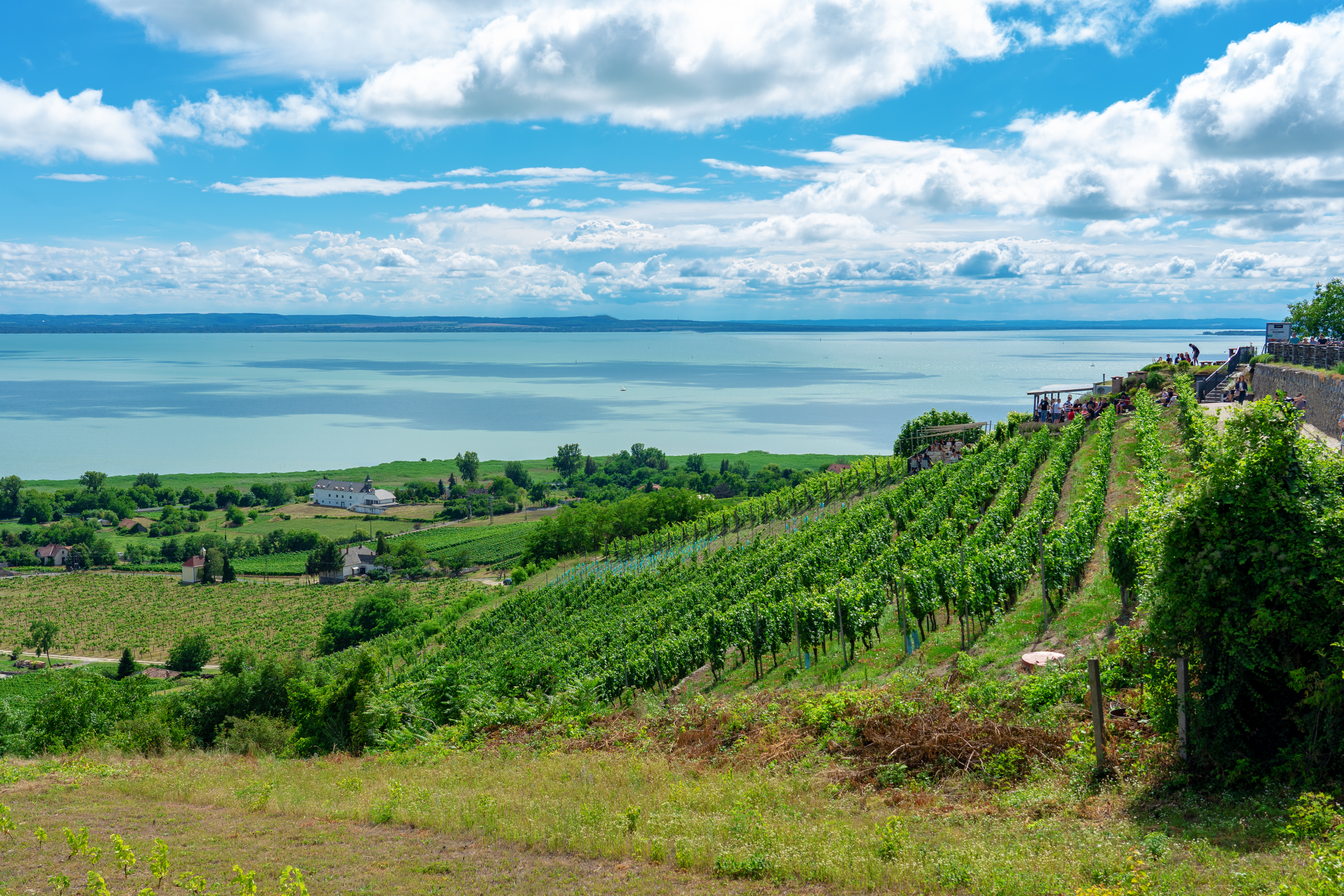
VZS: As a native of Lake Balaton, I must admit I'm a little biased! My first recommendation would be the wine regions surrounding Hungary's largest lake, particularly Badacsony. The volcanic “witness hills” of the Tapolca Basin make this one of the most beautiful parts of the country.
However, if you have the opportunity to travel in autumn, I would also highly recommend Tokaj. With its hillsides glowing in shades of red and yellow, and its honey-sweet grapes and wines, the region offers a truly unforgettable experience.
Want to watch Zsuzsanna Varga’s webinar and previous sessions or join our upcoming events? Become an Alumni Network Hungary member and stay connected with our global community!